

Install
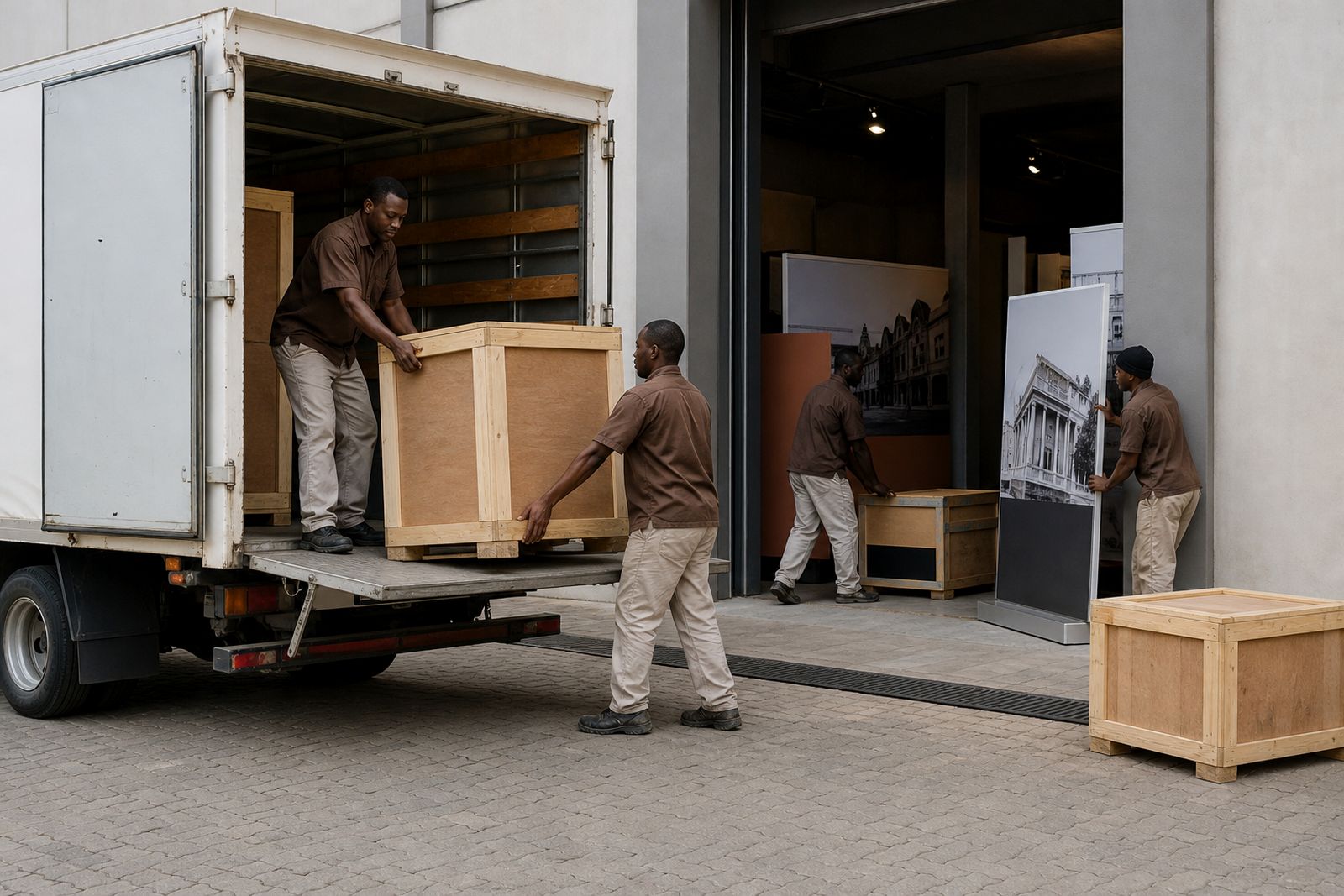
Our install section explains how a ready-made exhibition moves from crates to a finished venue display. It covers the two-day crew, transport planning and the practical choices around panels and plinths.
What this section covers
This section is for venue teams who need a clear picture of how an exhibition arrives, goes up and is handed over. We work with travelling heritage and photography shows for malls, libraries and museums across South Africa, using freestanding panels and display plinths that suit public indoor spaces.
If you are deciding which page to read first, start with the part that matches your role. Facilities teams usually want floor-space and access details first, while curatorial or events staff often want to understand the install sequence and the finish of the display. The pages in this section explain the process in plain terms so your venue can prepare properly and avoid last-minute snags.
- The two-day install explains the on-site crew, the order of work and what happens before handover.
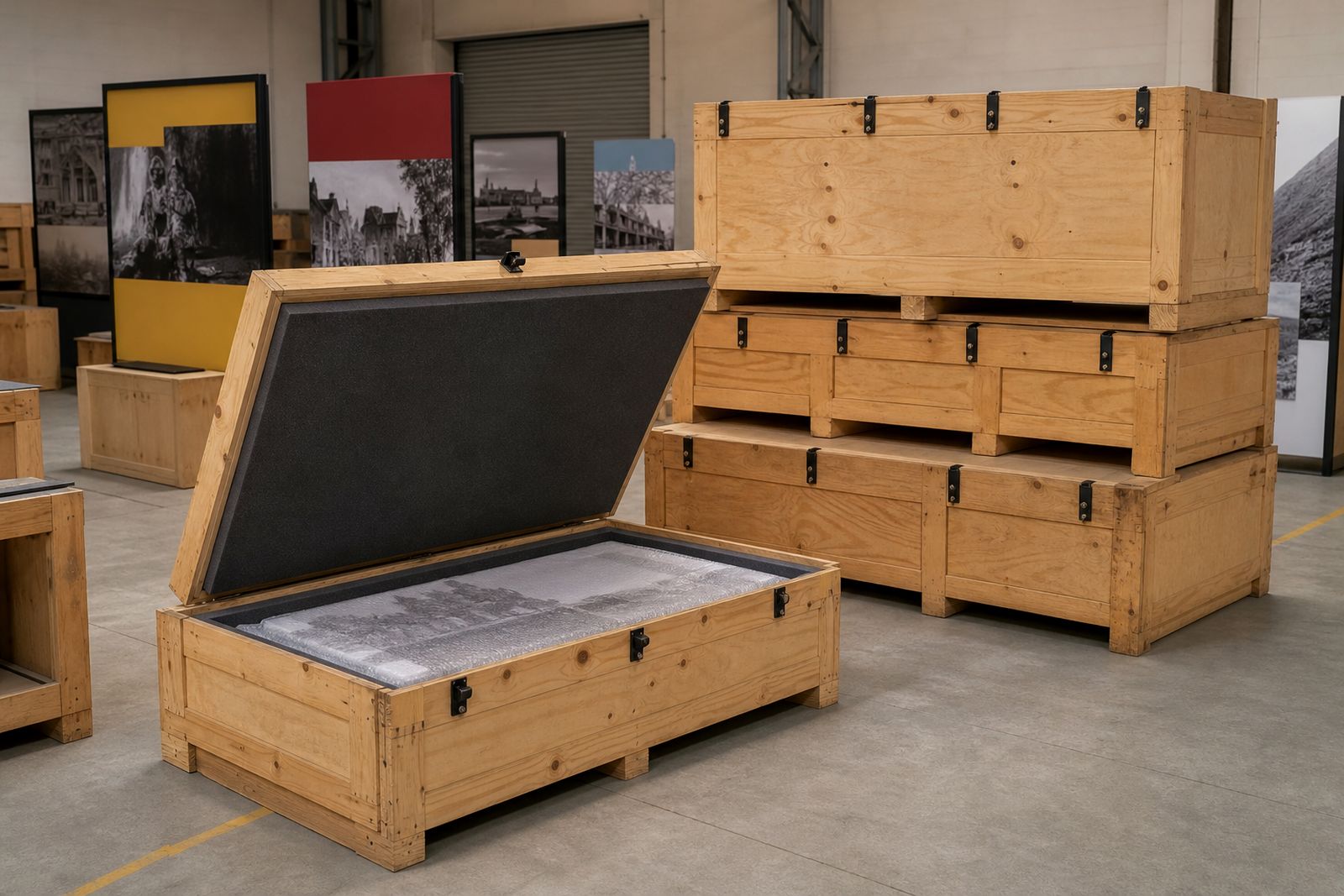
- Crating and transport covers packing, delivery access, unloading points and handling on arrival.
- Panels and plinths helps you understand the display components that shape the footprint and visitor flow.
How our install works on site
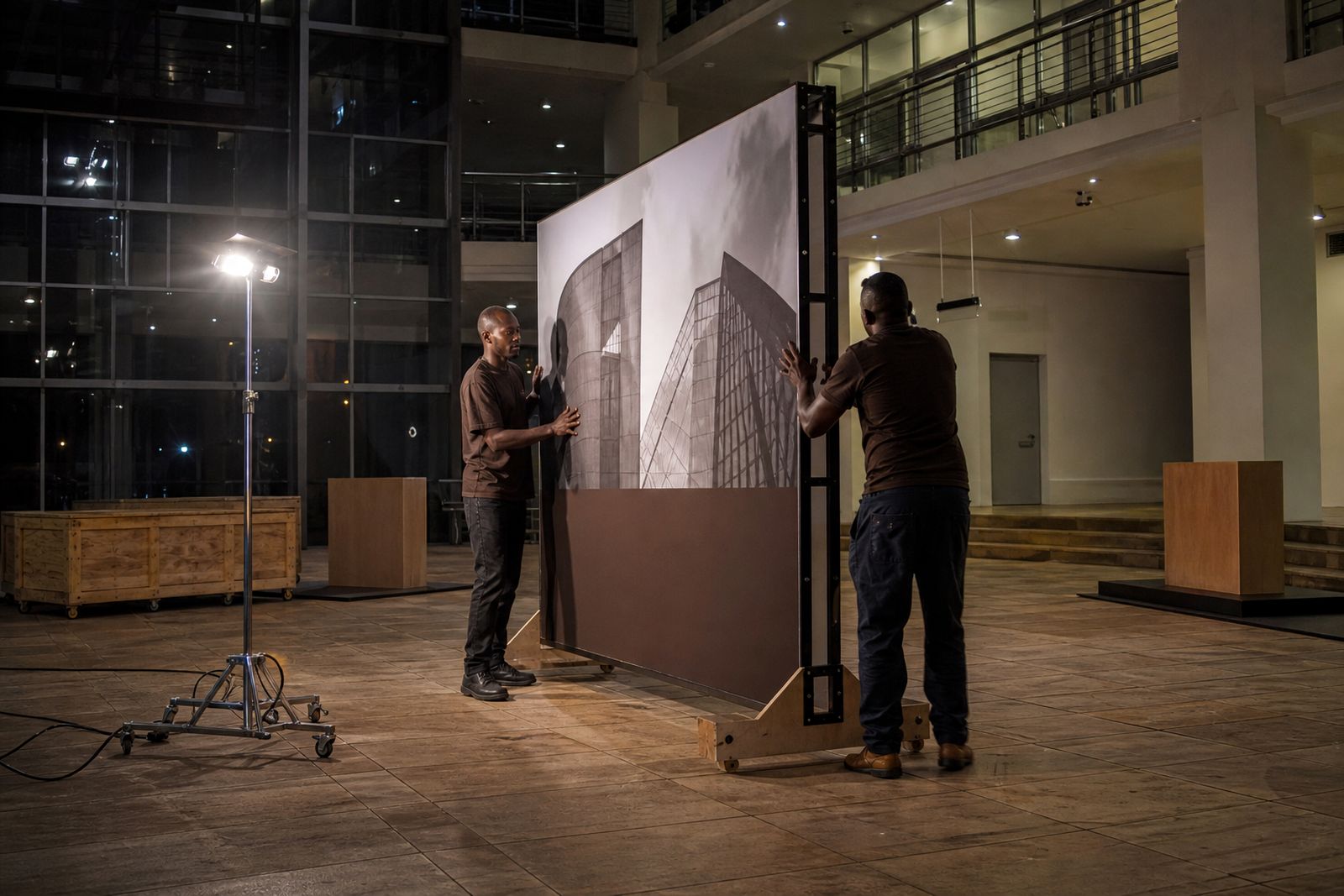
Our exhibitions are designed to arrive as a complete, ready-made package rather than a loose set of parts that needs redesigning on the floor. The install crew works over two days, setting out the display, positioning the freestanding panels, placing plinths where needed and checking that the venue is left tidy at the end.
The aim is a clean handover that suits normal public operations. In malls that may mean working around trading hours and service corridor access. In libraries and museums it often means protecting quieter areas, keeping passages clear and following house rules for trolleys, lifts and loading bays. We plan the sequence carefully because a smooth install depends on access routes as much as it does on the exhibition pieces themselves.
Choosing between the install pages
Each page in this section answers a different practical question. If you are not sure where to start, use the comparison below.
- Choose The Two-Day Install if you want to know how long the crew is on site, what happens each day and when the venue can inspect the finished setup.
- Choose Crating and Transport if your main concern is delivery timing, loading access, crate movement, ramps, lifts or distance from the truck to the display area.
- Choose Panels and Plinths if you are working out floor area, sightlines, visitor circulation or whether your space suits freestanding display pieces.
For many venues the best order is simple: first confirm your floor area and access, then review transport, then brief your internal team on the two-day programme. That usually avoids the common problem where a space looks adequate on paper but the route in from the loading area is too tight or too busy.
Venue checks before the crew arrives
A good install starts with practical checks done ahead of delivery. This is especially important in larger centres where goods receiving points, security sign-in and service lift bookings can slow things down. In older civic buildings the issue is often narrower doorways, uneven thresholds or limited turning space.
- Confirm the exact display area, measured in metres, not just a general hall or court location.
- Check the path from unloading point to exhibition floor, including doors, corners, ramps and lift sizes.
- Note the floor finish so panel bases and plinth positions can be planned sensibly.
- Advise us of any strict municipal, heritage or venue handling rules that apply to the building.
- Plan around power cuts if your venue has restricted access hours or shared service lifts.
For coastal venues we also pay attention to humidity and the timing of unpacking, because materials should not sit exposed in damp loading areas longer than needed. A short, accurate venue brief saves time and helps the crew work neatly from the start.
What the two-day approach means for your team
The two-day approach is built for venues that need a defined installation window without a long on-site build. Day one is generally for delivery positioning, unpacking and the main layout work. Day two is for final placement, checks, adjustments and a proper clean-up before handover. The venue team can then walk through the exhibition and confirm that circulation routes and sightlines are right.
This suits public venues because it keeps disruption contained. Mall management can coordinate around foot traffic and back-of-house access. Libraries can plan around quieter reading areas, and museums can align with existing operations in adjoining galleries. The crew works methodically and leaves the area presentable, not like a half-finished setup with packaging left lying around, thats the key difference.
After installation and next steps
Once the exhibition is in place, the venue receives a clean display area and a clear point of reference for the installed layout. If your team still needs help choosing the right footprint before booking, the floor-space guide is a useful next read. If you already know the venue suits the show, the detailed install pages will help your operations team prepare properly.
We serve venues from Johannesburg and coordinate touring installations across South Africa. To discuss your venue, send us the details through the enquiry form on the contact page, including your town, venue type and available floor area in metres if you have it. That gives us a solid starting point and avoids a lot of back-and-forth later.
What our Exhibition customers say
Verified Google reviews
Questions we get asked
How long is the install period?
Our standard setup is completed by a two-day install crew. The detailed sequence depends on access, crate movement and the size of the display area.
Do you install in malls as well as libraries and museums?
Yes. We install travelling heritage and photography exhibitions in malls, libraries and museums across South Africa, with planning adjusted for each venue type.
What should a venue prepare before delivery?
Please confirm the display area, access route, loading arrangements, lift availability where relevant and any building rules that affect handling or setup.
Book a travelling exhibition
Send a note through our contact form with your venue, the floor space and the dates you have in mind, and our curator will contact you.
Open the contact form