

The two-day install
Our install service is planned to get a travelling exhibition on the floor quickly, neatly and with as little disruption to the venue as possible. Over two days, our crew delivers, positions, assembles and checks the full show, then leaves the space clean and ready for opening.
What the two-day install includes
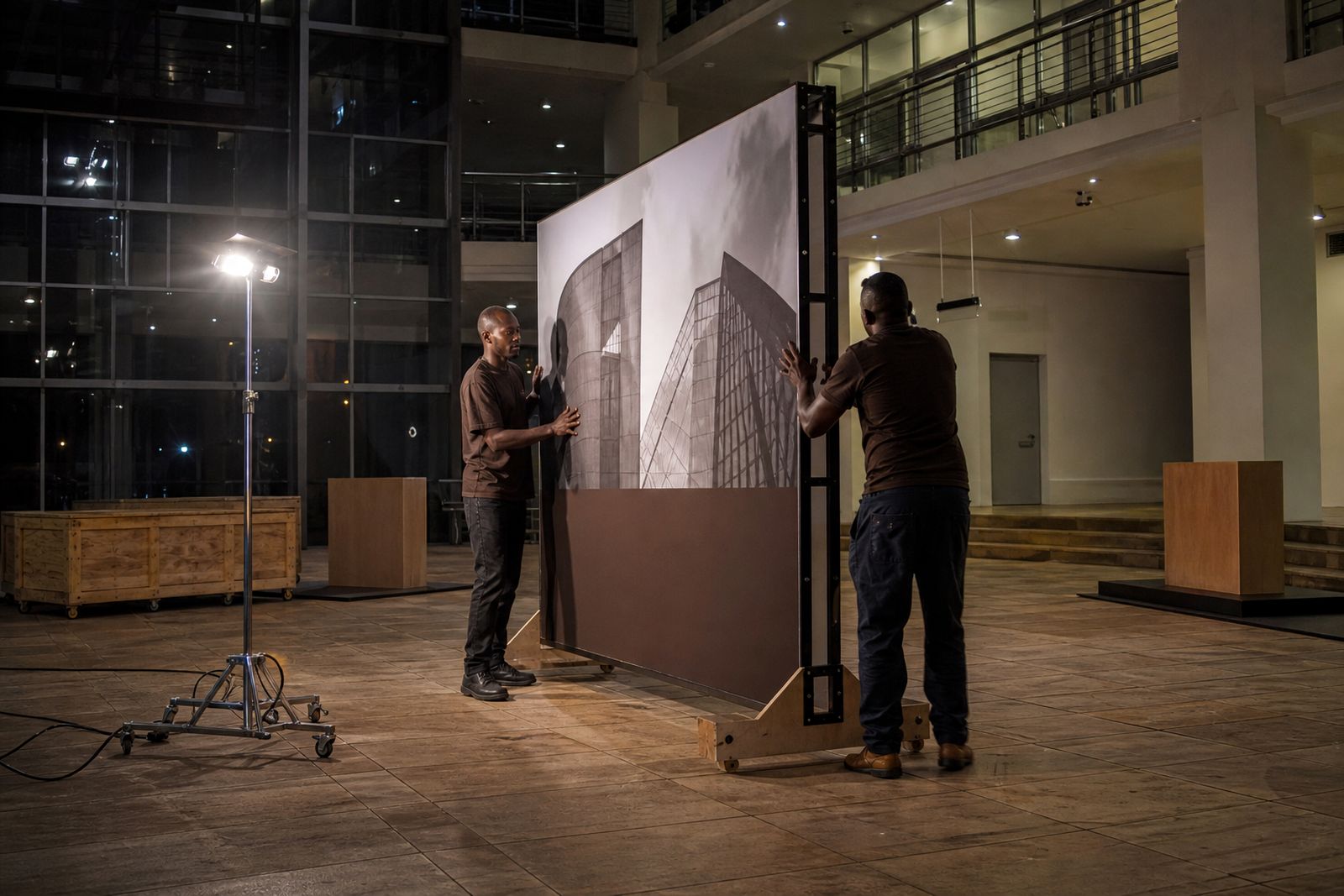
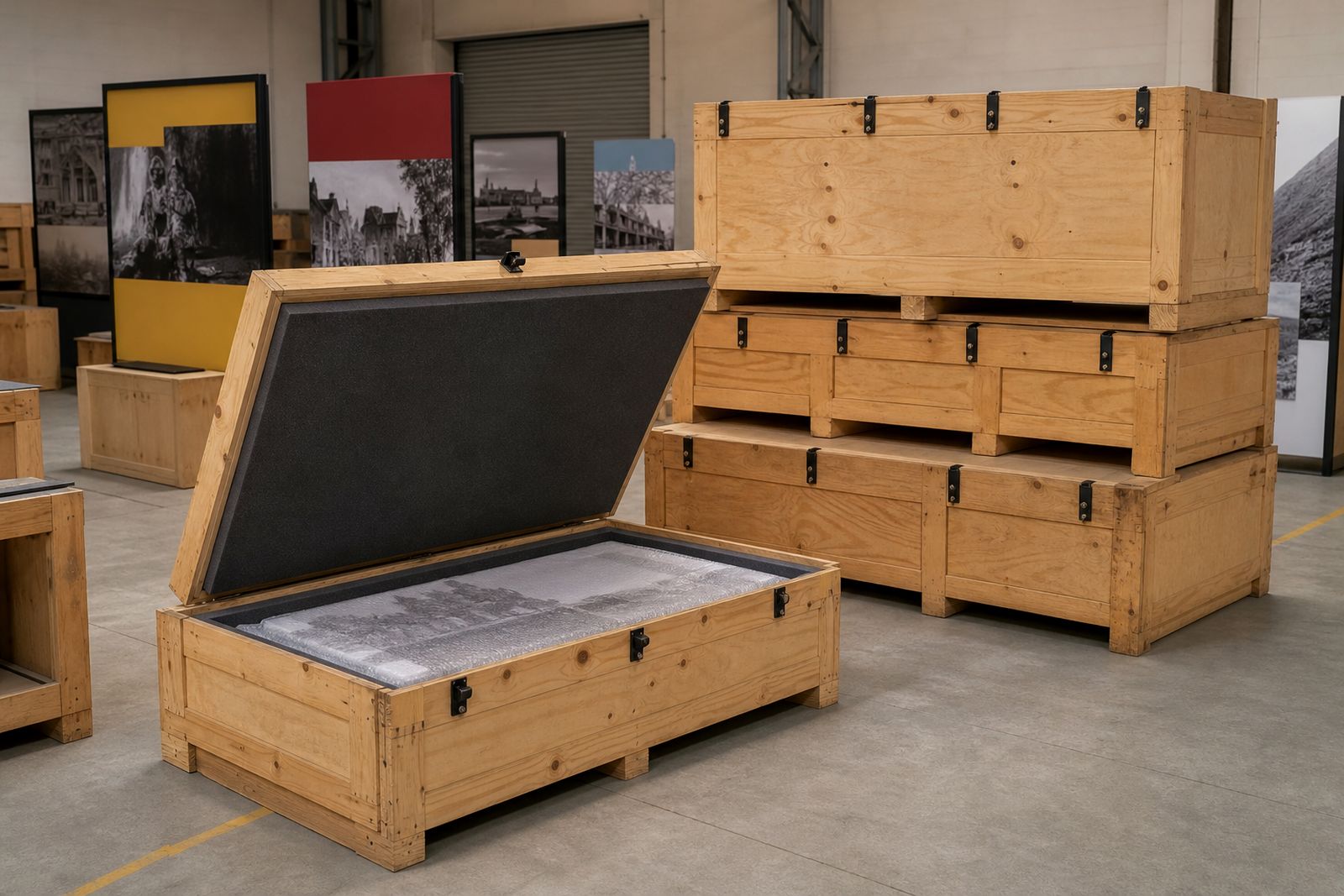
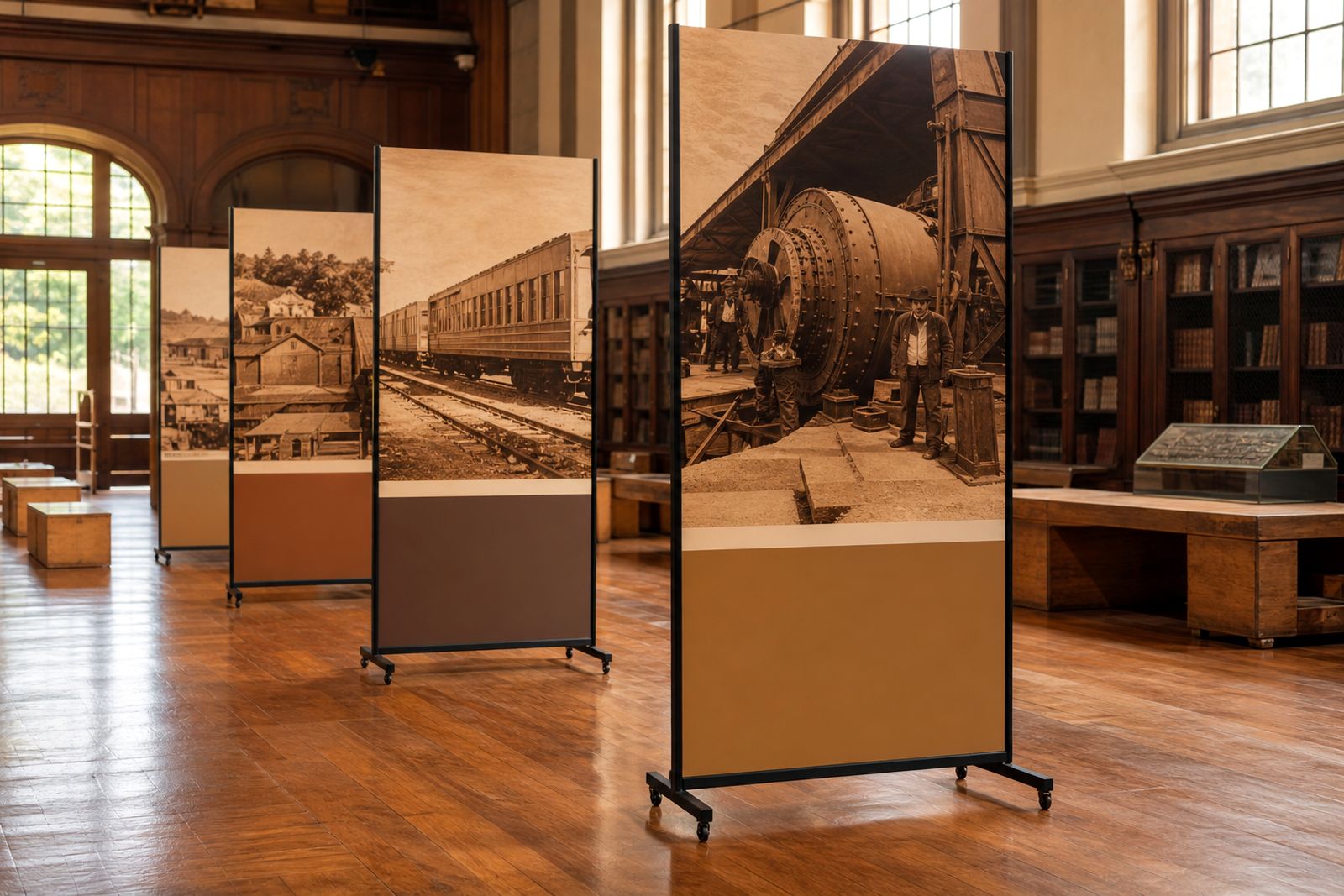
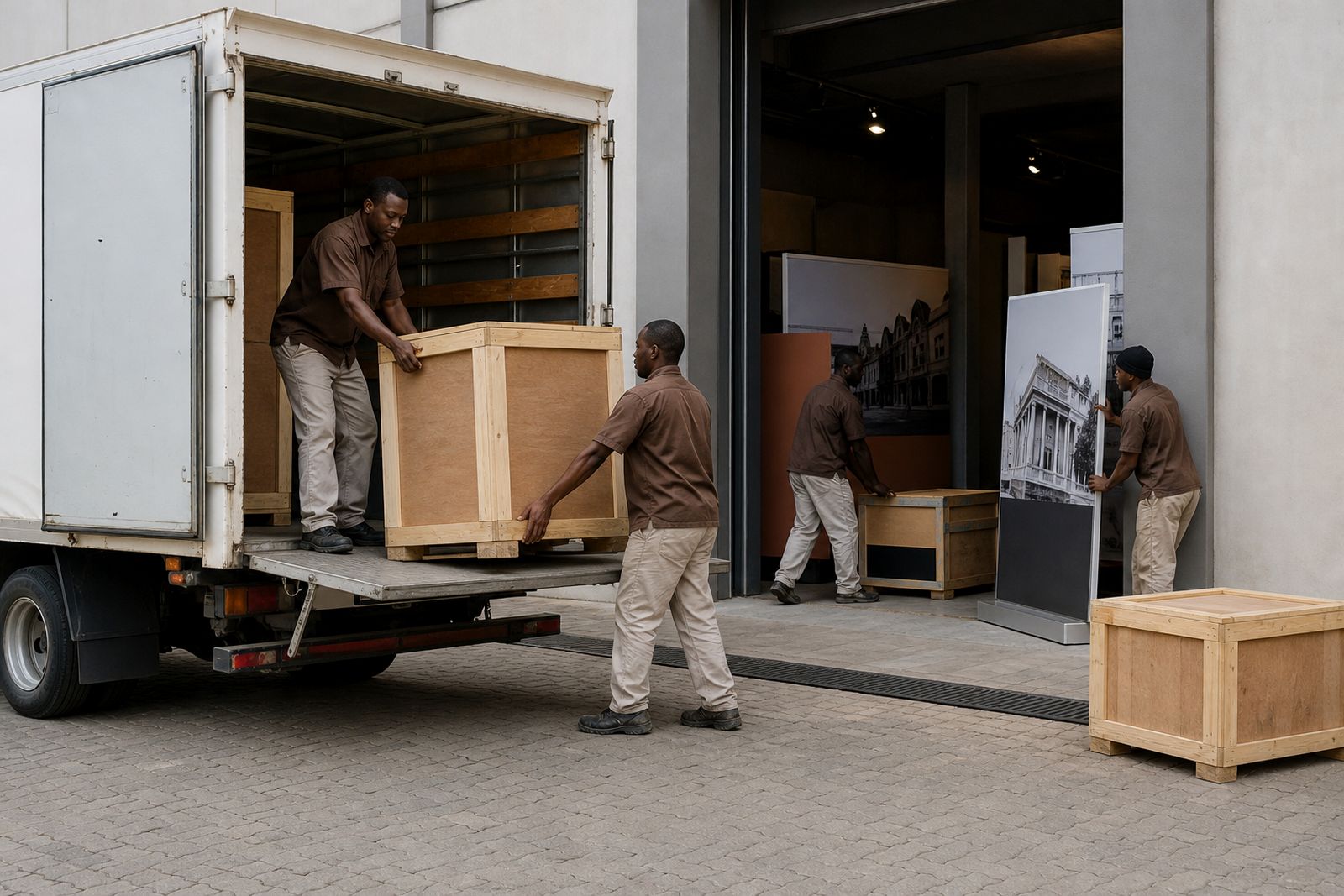
The two-day install covers the physical setup of a ready-made exhibition using freestanding panels and display plinths supplied as part of the show package. We arrive with the crated exhibition, unload at the agreed access point, move all components into the venue, assemble the display elements, place graphics and captions, level each unit, and do a final walkthrough with the venue contact.
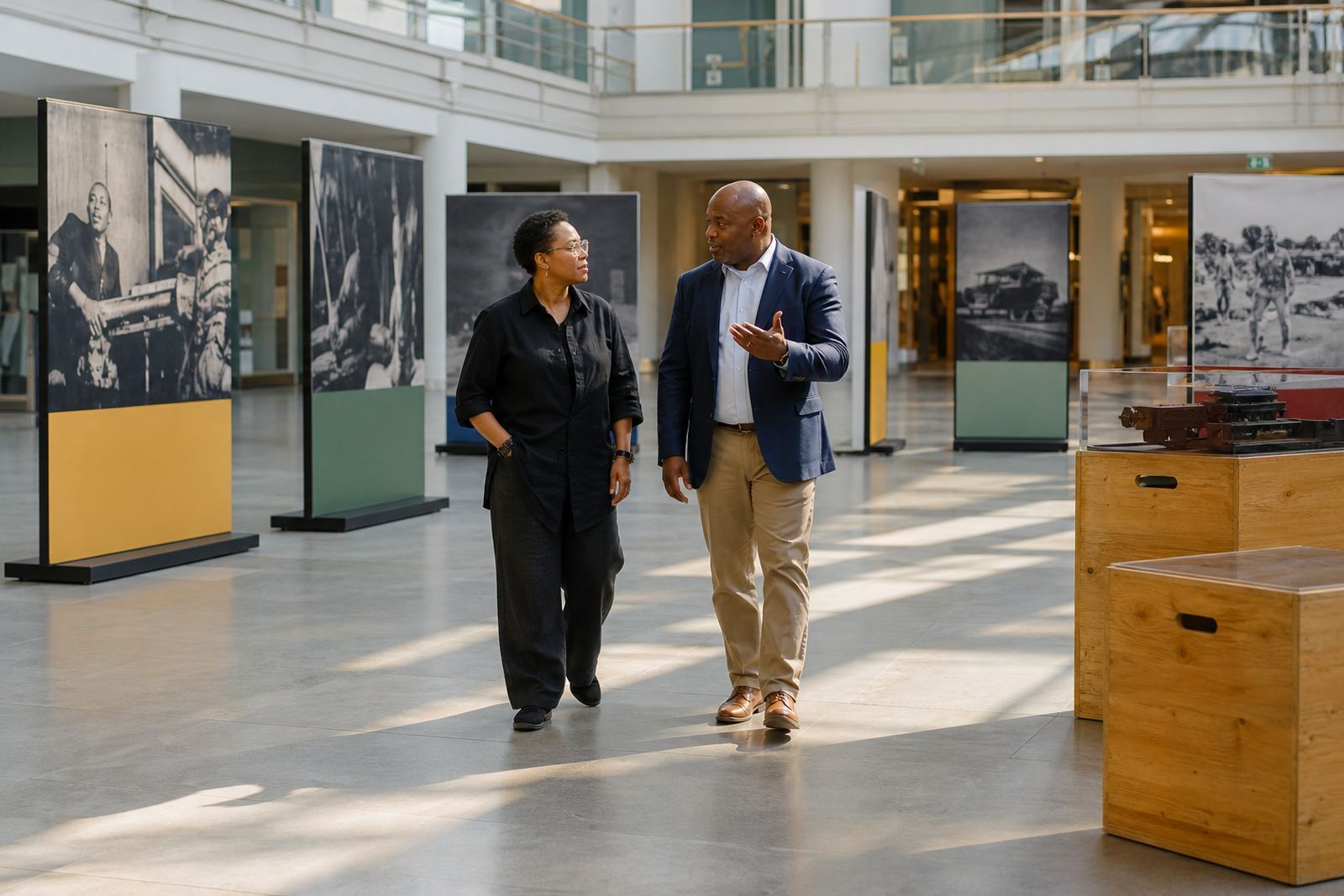
This service suits malls, libraries and museums that need a straightforward rollout without bringing in separate shopfitters or casual labour. Our crew works to the approved floor plan and venue rules, including loading bay times, lift use, public access restrictions and cleaning requirements. If a site has polished floors, tight corners or coastal humidity to manage, we plan for that before arrival so the setup goes smoother on the day.
- Delivery of exhibition crates to the venue
- Offloading and internal movement to the exhibition area
- Assembly of freestanding panels and plinths
- Placement of exhibition graphics, captions and object supports where applicable
- Alignment, levelling and safety checks
- Removal of packaging and a clean handover of the space
Day one on site
Day one is mainly about getting the show into position and building the main structure. The crew checks in with venue security or facilities, confirms the access route, and verifies the floor area against the approved plan. From there, crates are opened in sequence so the exhibition can be built zone by zone rather than having loose parts spread across the whole site.
Panels are assembled first because they set the circulation path and sightlines. In a mall this often means allowing enough width for passing foot traffic, shopfront visibility and cleaning machines. In a library or museum, the first day usually focuses on reading flow, emergency exits and keeping quieter study or collection areas clear. If the venue has power cuts during setup, our installation method is not heavily dependent on powered tools for long periods, which helps keep work moving.
- Site sign-in and access confirmation
- Protective handling during offload and unpacking
- Panel frames built and positioned to plan
- Plinths placed, squared and checked for stability
- Initial spacing review with the venue contact
Day two on site
Day two is for finishing, adjusting and handing over. Once the main elements are standing in the right places, the crew fits the remaining graphic components, checks caption order, cleans panel surfaces, and makes small position changes where the venue requests a better line of movement. This is also when we do the visual balancing that makes a temporary show feel settled in the room not just dropped into it.
Before sign-off, we walk the exhibition from the visitor's point of view. We look for snag points, narrow turns, unstable edges, reflections on images, and any plinth that needs another check on an uneven floor. Packaging is removed from site or restacked neatly in the agreed holding area. The venue receives a practical handover, including what can and cannot be moved once the crew has left.
- Final graphics and label placement
- Cleaning of panels and plinth tops
- Minor spacing adjustments
- Safety and presentation checks
- Venue handover and care notes
What the venue must prepare
A smooth install depends on the venue being ready before the truck arrives. The floor area should be cleared, dry and accessible, with any other promotional stands, stacking chairs, loose trolleys or maintenance items removed beforehand. We also need a confirmed access route from the loading point to the exhibition area, including lift dimensions if the show must travel between levels.
For malls, it helps when the centre team confirms after-hours or early-morning access, parking for the delivery vehicle, and whether noisy work is restricted near trading hours. For libraries and museums, the main points are internal access control, object handling boundaries and where empty crates may be stored. If a venue has strict municipal fire escape rules or limits on blocking sightlines, those need to be shared in advance, otherwise the plan may need changes on arrival.
- A signed-off floor plan and clear floor space
- Loading bay or delivery access booked for the install window
- Lift and doorway sizes confirmed where relevant
- A venue contact available on both install days
- Permission for short-term crate storage if needed
How pricing is worked out
Install pricing is based on the practical realities of the job rather than a flat figure. The main factors are the size of the exhibition, the number of panels and plinths, travel distance from Johannesburg, access complexity, the time allowed for loading and unloading, and whether the venue requires work outside normal daytime hours. A ground-floor setup with direct loading is usually quicker than a site with basement access, service lifts and long internal walking routes.
We also look at whether the crew must stage components in phases, wait for centre management sign-off, or work around public opening times. Coastal routes and long-haul touring can affect packaging, transport planning and handling time, while venues with tight humidity control or sensitive finished floors may need extra care procedures. We keep the pricing structure clear, with the scope defined up front so there are no surprises later.
If your team is comparing options, send the floor plan and access notes through the enquiry form on our contact page and we can advise what level of install is likely to suit the venue.
Aftercare and post-install support
Once the exhibition is handed over, the venue is not left guessing. We provide simple care guidance for the duration of the run, including how to keep panel faces clean, what not to place on plinths, and when to call for advice before moving anything. Freestanding displays are designed for temporary public spaces, but they still need sensible handling by cleaners, security and event staff.
If something shifts slightly after heavy foot traffic or routine floor cleaning, the venue can contact us through the enquiry form for guidance on the best next step. For touring programmes, we can also coordinate the de-install, re-crating and dispatch to the next stop so the exhibition remains tidy and presentable from one venue to the next. A careful install helps the whole tour run better, and that starts with getting the first two days right.
What our Exhibition customers say
Verified Google reviews
Questions we get asked
Can the install be done while the venue is open?
In some venues, yes. It depends on public traffic, access hours and safety rules. Many sites prefer early morning, after-hours or staged access so the crew can move crates and assemble panels safely.
Do you need power on site for the full two days?
Not continuously. Our install process is mostly based on manual assembly and positioning, although normal venue power access is still useful for standard setup tasks and final checks.
What if the floor plan changes after booking?
Small changes can usually be managed if we receive them before dispatch. Bigger layout changes, reduced floor area or difficult new access conditions may affect install time, crew planning and transport arrangements.
Also worth a look
Book a travelling exhibition
Send a note through our contact form with your venue, the floor space and the dates you have in mind, and our curator will contact you.
Open the contact form